Problem
A globally loved brand desiring local market knowledge.
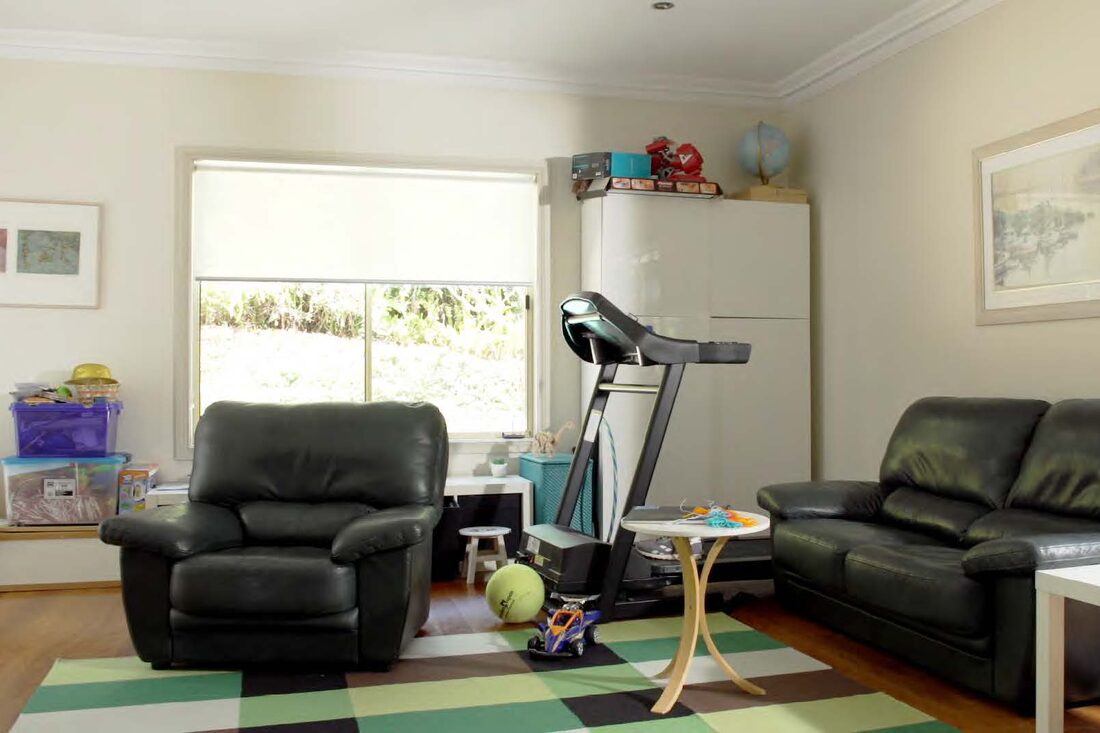
Australians have a complicated relationship with their living rooms. They want spaces that feel personal, coordinated, and liveable — but most don't know how to get there. IKEA's own Life at Home research identified four persistent frustrations:
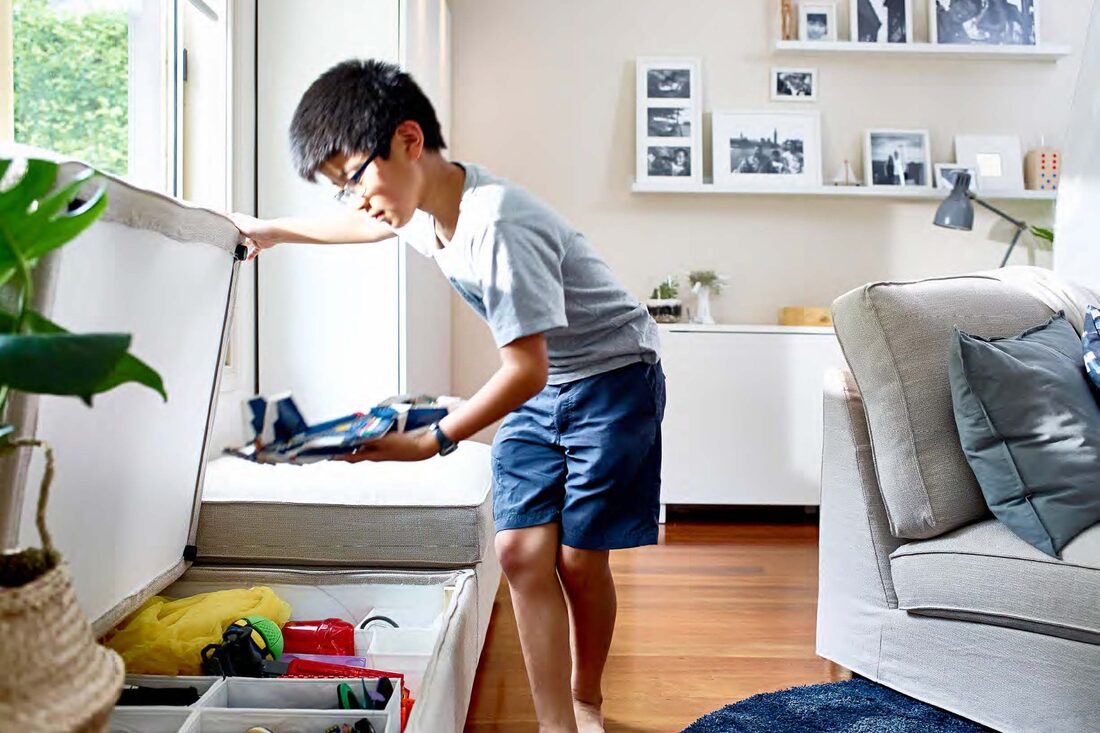
- Inadequate storage
- Lack of personalisation
- Poor coordination
- Limited know-how for open-plan living
Meanwhile, IKEA's brand inspiration score was falling. Nearly half of Australians no longer felt IKEA gave them good ideas for their home. The opportunity wasn't to shout louder — it was to listen harder.
Approach
Stop broadcasting. Start co-creating.
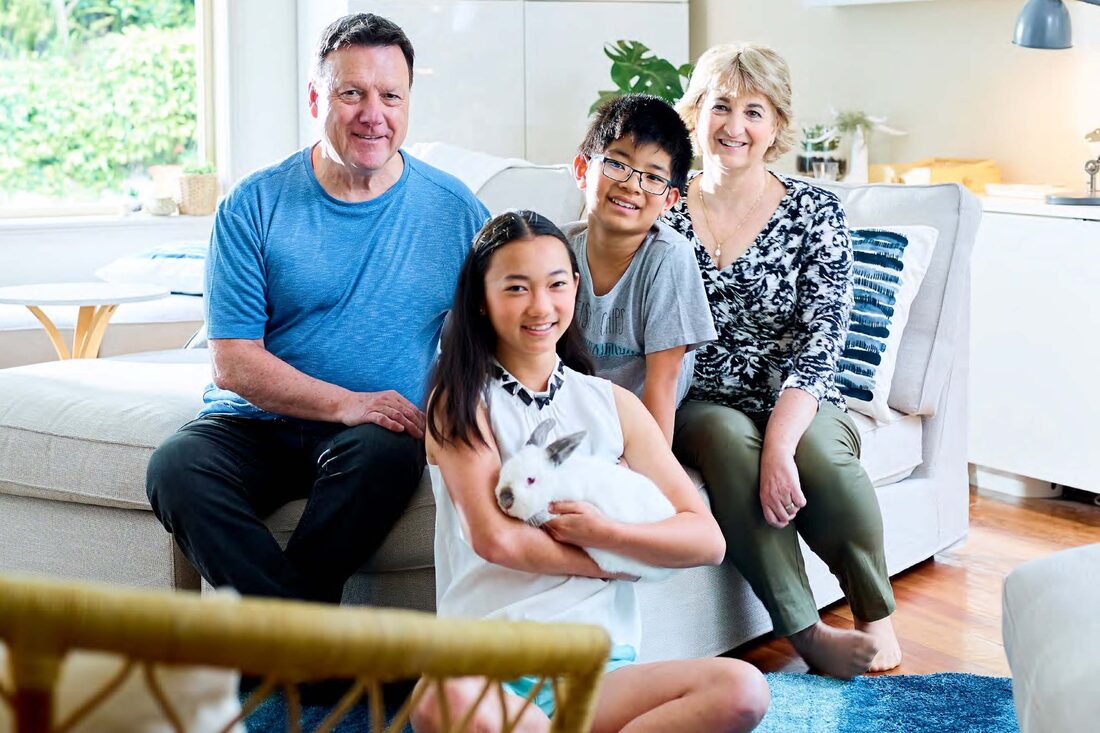
IKEA + you was built on a simple premise: real families, real frustrations, real solutions. Ten families — one per primary market area, recruited through IKEA Family and social media — co-created living room solutions alongside IKEA's home furnishing experts. Local relevance at a scale IKEA Australia had never attempted before.
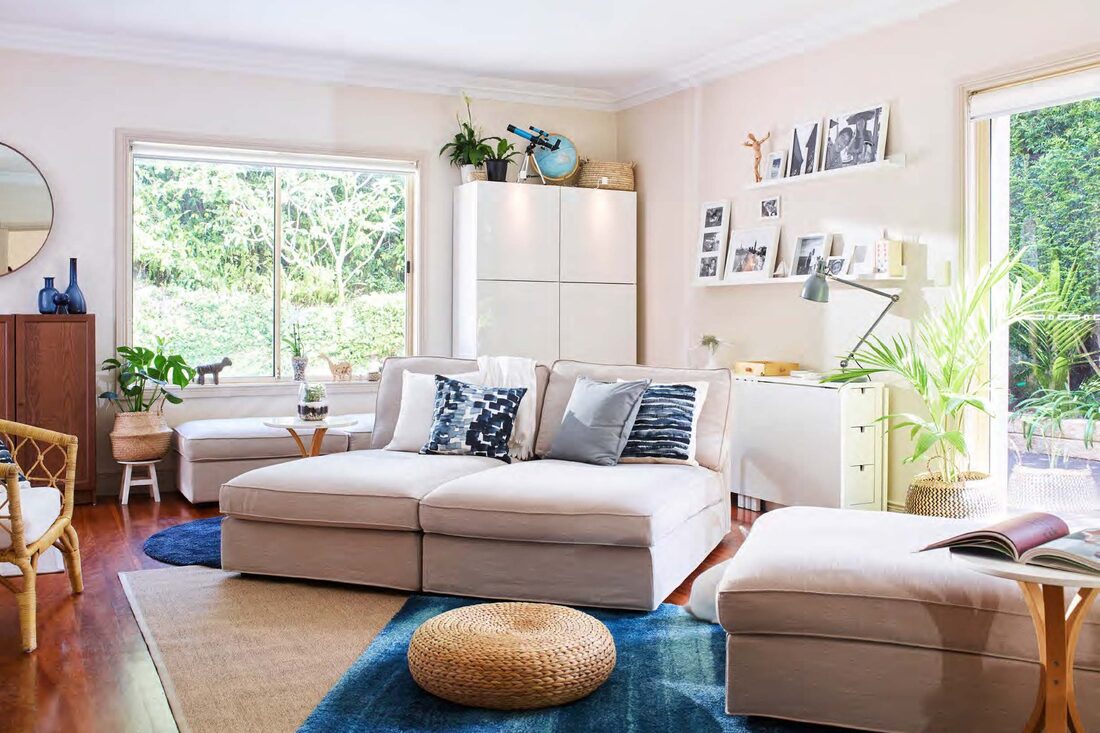
I led the Rhodes PMA end-to-end: discovery, in-home user interviews, research synthesis, stakeholder alignment, and final delivery — both in the family's home and recreated in a 25m² in-store installation at IKEA Rhodes.
Each family's story became the content. Their lived experience, captured from start to finish, was distributed across every touchpoint — in-store, online, social, and earned media — with the aim of reaching the many Australians who share the same frustrations.
Outcomes
15 million people reached. A brand repositioned.
Since launching in February 2018, the campaign reached over 15 million Australians — more than half the population. Brand inspiration scores climbed from 48% to 61%, against a modest target of +2%. Inspiration visits to IKEA.com.au rose +67%, with mobile session time up +68 seconds.
In-store, 65% of total store visitors engaged with the IKEA + you installations. IKEA Tempe saw visitor numbers three times higher post-launch. Store events generated AUD $6.8M in sales, exceeding target by AUD $5.6M — with a further AUD $1M anticipated in website basket sales.
"Our house is a bit of a transit area — four doors, and the clutter was very difficult to look at. The children's things just seemed overwhelming."
Lesley Bluett / IKEA + you Participant · Hunters Hill, NSW